
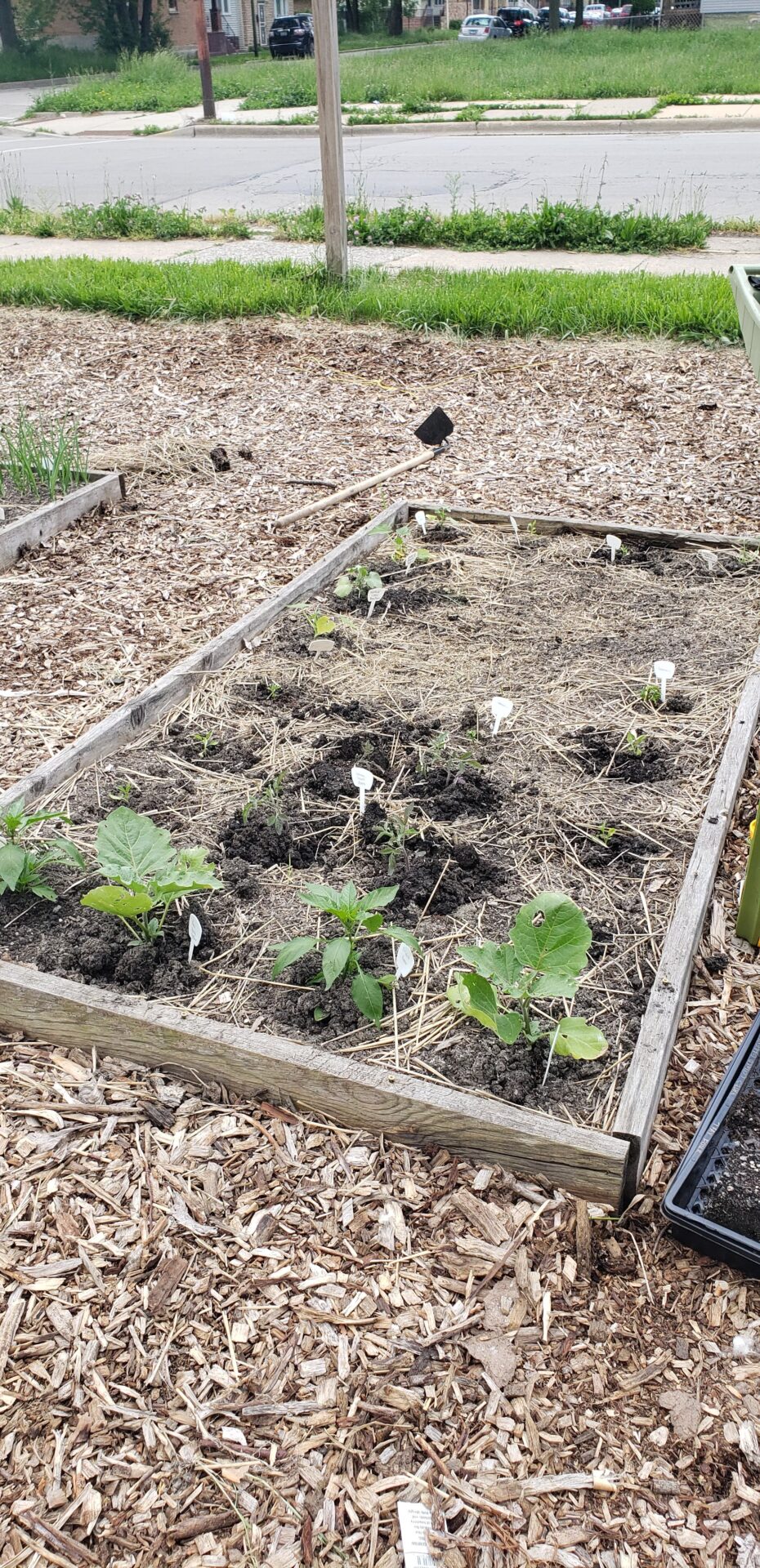
Transplant day is one of my favorite days of the growing year. The babies you’ve been babying since February — the ones who lived under that grow light on your dining room table, the ones you whispered to while the kids weren’t looking — are finally going outside. It’s a whole moment.
It’s also the day I have watched more new gardeners cry actual tears than any other day on the calendar. And listen, I’ve cried right along with them. Because nobody tells you that getting seedlings into the ground is its own skill, separate from starting them, separate from keeping them alive once they’re settled in. It’s a transition. And transitions are hard on plants the same way they’re hard on people.
So I’m pulling up a chair. If you’re staring at a flat of tomato starts wondering when, how, and whether you’re about to commit horticultural malpractice, here are the three things I wish somebody had told me back when I was hauling my first round of seedlings out to the yard like I was carrying the first Chicago Bulls Championship Trophy.

1. Harden them off, or they will let you know
Hardening off is the unsexy week before transplant where you slowly introduce your seedlings to the real world. Sun. Wind. The temperature swings that happen when the sun goes behind a cloud. The whole rude awakening.
Skip this step and your plants will tell on you. The leaves get pale and crispy at the edges. The stems flop. Sometimes the whole thing just… gives up by Wednesday. You’ll think you killed them. You did, but not on transplant day — you killed them on day one when you took plants that had only ever known a 70-degree living room and threw them straight into a windy 55-degree morning.
Here’s the move. Seven to ten days before you plan to transplant, take your seedlings outside to a shaded, protected spot for an hour. Bring them back in. The next day, two hours, with a little dappled sun. Keep stretching the time and increasing the sun exposure until they can handle a full day outside, including a chilly night or two if you’re past the last frost.
Yes, it’s annoying. Yes, it feels like you’re running a daycare drop-off and pickup. Do it anyway. The plants that get hardened off properly will out-produce the ones that didn’t by a country mile, and you’ll save yourself the heartbreak.

2. Soil temperature is the real guide — not the calendar, not the air
Once your plants are in the ground, the first seven days decide most of the season. Water deep on transplant day — really soak that root ball in, not just a sprinkle on the leaves. Then check on them every morning for a week. Wilting in the afternoon heat? Normal, they’re stressed. Wilting in the morning before the sun’s been on them? That’s a problem, water now.
A couple things that have saved me more plants than I can count:
Mulch right after transplant. Two inches of straw, leaves, or wood chips around (not touching) the stem. It keeps the soil temperature steady, holds in moisture, and means you’re not out there with a hose every twelve hours.
Shade cloth or a piece of cardboard propped up on the south side for the first two or three afternoons. Yes, you hardened them off. They still appreciate a break while their roots figure out where they are.
And here is the part nobody wants to hear, so I’ll say it gently: some of your plants might not make it. Not because you did anything wrong. Sometimes a cutworm finds them. Sometimes a squirrel sits on one. Sometimes one of the four tomato plants from the same flat just decides this isn’t the life for her. That’s gardening. That’s nature. That’s why we plant a few extras and don’t put all our hope into a single seedling.
Grieve it for a minute, then replant. We have a saying on the farm: we sow, we grow, we lose some, we sow again. You are not a bad gardener because you lost a plant. You are a gardener because you put it in the ground in the first place.
You are not a bad gardener because you lost a plant. You are a gardener because you put it in the ground in the first place.
We Sow We Grow

One more thing, because it bears repeating
Label everything. I’m begging you. Future-you, in August, looking at a 5-foot-tall mystery plant covered in green orbs that may be tomatoes or may be tomatillos or may be something a bird dropped, will thank present-you for taking 30 seconds to write the variety on a popsicle stick. We’ve all been there. We’ve all guessed wrong.
Transplant day should be a celebration, not a stress event. You’ve already done the hardest part — you started something. Now you’re just walking it to its forever home. Take a breath. Get your hands in the dirt. Talk to the plants if that’s your thing (it’s mine). And remember that every seasoned gardener you admire has killed more plants than you have, and we’re all still out here doing it.
Welcome to the season. Glad you’re growing with us.
7–10 days, starting with 1 hour outside in shade and gradually building up.
60°F at 3–4 inches deep, measured in the morning. They thrive at 65–70°F.
Deep watering at transplant, then check daily for the first week. Morning wilt means water now; afternoon wilt is usually normal stress.
Replant. Keep a few extra starts or grab replacements from a local nursery. Plant loss is part of gardening, not a personal failure.
Want more grow-along resources, community plot updates, and the occasional pep talk straight from the garden? Subscribe to the We Sow We Grow newsletter or follow us on Instagram @wesowwegrow.
